Affordable Winter Bedroom Decor Ideas for a Warm and Cozy Home
Winter always sneaks up on my bedroom first. One night it feels fine, and the next morning I’m pulling the blanket over my head like a burrito, wondering why the room suddenly feels like a freezer. Over the years, I’ve learned something important: you don’t need a big budget to make your bedroom warm, cozy, and stylish in winter. You just need smart ideas.
This guide is not about luxury makeovers or expensive furniture. It’s about real, affordable changes that make your bedroom feel warmer, calmer, and more inviting—without draining your wallet. I’m sharing these ideas the same way I’d share them with a friend over tea, including what works, what doesn’t, and where to spend or save.
1. Layered Bedding That Traps Warmth Without Bulk
Description
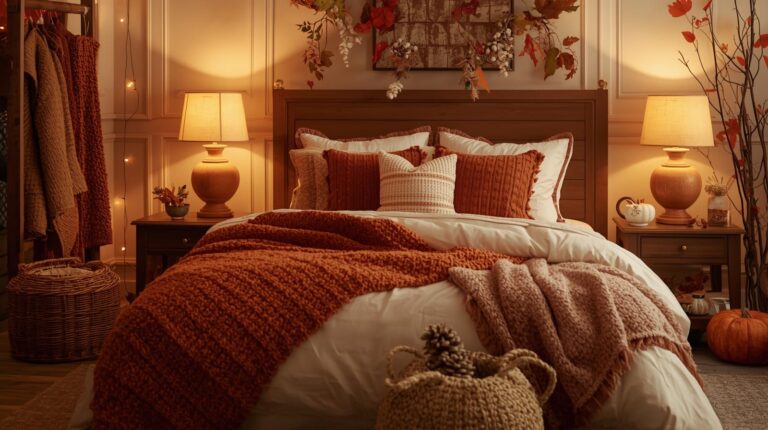
Layering bedding is like dressing your bed the way you dress yourself in winter—one thoughtful layer at a time. Instead of one thick blanket, layering creates warmth pockets that hold heat longer and feel softer.
Steps
Start with a fitted sheet. Add a flat sheet, a lightweight blanket, then a comforter or duvet. Finish with a throw at the foot of the bed.
Tips
Choose breathable fabrics so you don’t wake up sweating. Cotton and microfiber work well.
Cost
Low to medium. $40–$120 depending on layers.
Pros
Instant warmth
Looks luxurious
Easy to change seasonally
Cons
Needs storage space for extra layers
2. Warm-Tone Bedding Colors for a Cozy Feel
Description
Colors affect how warm a room feels—even if the temperature stays the same. Warm tones like rust, beige, taupe, and deep browns visually soften the space.
Steps
Swap out cool whites and greys for warmer shades during winter months.
Tips
You don’t need a full set. Even pillowcases can change the mood.
Cost
Low. $20–$60.
Pros
Affordable
Psychologically warming
Easy update
Cons
May clash with existing décor if not planned
3. Affordable Area Rugs to Block Cold Floors
Description
Cold floors steal heat faster than you think. Rugs act like thermal socks for your room.
Steps
Place a rug under the bed or where your feet land in the morning.
Tips
Layer a smaller rug over an existing one for extra warmth.
Cost
Low to medium. $30–$100.
Pros
Warmer feet
Adds texture
Improves acoustics
Cons
Needs cleaning maintenance
4. Thrifted Wool or Knit Throws
Description
Thrift stores are gold mines for winter throws. Wool and knit throws trap warmth without looking bulky.
Steps
Drape one over your bed or chair.
Tips
Wash gently before use.
Cost
Very low. $5–$20.
Pros
Eco-friendly
Unique textures
Budget-friendly
Cons
Some may feel itchy if low quality
5. Thermal Curtains for Heat Retention
Description
Windows leak heat. Thermal curtains act as a barrier against cold air.
Steps
Install curtains that extend beyond window edges.
Tips
Choose darker colors for better insulation.
Cost
Medium. $40–$90.
Pros
Reduces heating bills
Improves sleep
Adds softness
Cons
Blocks natural light during day
6. Soft Lighting Instead of Harsh Overhead Lights
Description
Warm lighting makes a room feel instantly cozier—even on cold nights.
Steps
Add bedside lamps, fairy lights, or table lamps.
Tips
Use warm white bulbs (2700K).
Cost
Low. $15–$50.
Pros
Relaxing
Affordable
Easy install
Cons
Needs multiple power outlets
7. Winter-Friendly Pillow Mix
Description
More pillows aren’t just decorative—they add warmth and comfort.
Steps
Mix standard pillows with textured covers like velvet or knit.
Tips
Odd numbers look more natural.
Cost
Low. $25–$70.
Pros
Instant upgrade
Comfortable
Easy seasonal swap
Cons
Needs storage space
8. DIY Fabric Headboard for Insulation
Description
Fabric headboards add insulation between you and cold walls.
Steps
Attach foam and fabric to plywood and mount or lean it.
Tips
Use thick upholstery fabric.
Cost
Low. $40–$80.
Pros
Custom look
Insulating
Stylish
Cons
DIY effort required
9. Cozy Reading Corner with Minimal Cost
Description
A small corner with warmth makes winter evenings enjoyable.
Steps
Add a chair, throw, and lamp.
Tips
Place it near a window for daylight reading.
Cost
Low. $50–$100.
Pros
Functional
Relaxing
Personal touch
Cons
Requires extra space
10. Wall Tapestries for Visual Warmth
Description
Tapestries reduce wall coldness and add texture.
Steps
Hang behind bed or on a cold wall.
Tips
Choose thick fabric.
Cost
Low. $20–$50.
Pros
Insulating
Decorative
Easy install
Cons
Dust accumulation
11. Winter-Scented Candles for Atmosphere
Description
Scents like vanilla, cinnamon, and amber make winter feel inviting.
Steps
Place safely on bedside or shelf.
Tips
Opt for soy candles.
Cost
Low. $10–$30.
Pros
Mood-boosting
Affordable
Adds warmth illusion
Cons
Fire safety concerns
12. Flannel Sheets for Cold Nights
Description
Flannel sheets hold heat better than regular cotton.
Steps
Replace summer sheets in winter.
Tips
Wash before first use.
Cost
Medium. $40–$80.
Pros
Very warm
Soft
Durable
Cons
Too warm for mild winters
13. Under-Bed Storage to Reduce Drafts
Description
Empty space under beds traps cold air.
Steps
Use storage bins or drawers.
Tips
Fabric bins look cleaner.
Cost
Low. $20–$60.
Pros
Reduces drafts
Adds storage
Organized look
Cons
Needs cleaning
14. Affordable Wall Art with Warm Themes
Description
Nature, abstracts, and warm tones influence comfort.
Steps
Print art at home or use frames.
Tips
Stick to a color palette.
Cost
Low. $10–$40.
Pros
Personal
Budget-friendly
Easy refresh
Cons
Needs wall space
15. Bed Skirts for Insulation
Description
Bed skirts block cold air from under the bed.
Steps
Install fitted or wrap-around skirt.
Tips
Choose thick fabric.
Cost
Low. $20–$40.
Pros
Insulating
Neat look
Cons
Needs adjustment when cleaning
16. Faux Fur Accents for Texture
Description
Faux fur screams winter comfort.
Steps
Add a faux fur pillow or throw.
Tips
Use sparingly.
Cost
Low to medium. $25–$60.
Pros
Luxurious feel
Warm texture
Cons
Can shed
17. Small Space Heater Used Safely
Description
Targeted heat beats central heating costs.
Steps
Place away from fabrics.
Tips
Choose auto-shutoff models.
Cost
Medium. $50–$120.
Pros
Quick warmth
Energy-efficient
Cons
Electricity cost
18. Winter Bedding Rotation Strategy
Description
Rotating bedding prevents wear and keeps warmth balanced.
Steps
Alternate heavy and medium layers.
Tips
Store vacuum-sealed.
Cost
Low.
Pros
Extends bedding life
Cons
Needs storage space
19. Neutral Winter Color Palette
Description
Neutrals like cream and mocha feel calm and warm.
Steps
Swap accessories, not furniture.
Tips
Layer shades.
Cost
Low. $30–$70.
Pros
Timeless
Easy match
Cons
May feel plain if overdone
20. DIY Draft Stoppers for Doors
Description
Cold air sneaks through door gaps.
Steps
Use fabric tubes or rolled towels.
Tips
Add weighted filling.
Cost
Very low. $5–$15.
Pros
Effective
Cheap
Cons
Needs repositioning
21. Winter Plants That Thrive Indoors
Description
Plants add life without cooling the space.
Steps
Choose snake plants or pothos.
Tips
Avoid overwatering.
Cost
Low. $10–$30.
Pros
Improves mood
Fresh look
Cons
Needs care
22. Cozy Nightstand Styling
Description
Winter nightstands should feel warm and functional.
Steps
Add lamp, book, candle.
Tips
Avoid clutter.
Cost
Low. $20–$50.
Pros
Practical
Aesthetic
Cons
Limited surface area
23. Soft Winter Wall Paint Accents
Description
Warm paint tones change room energy.
Steps
Paint one accent wall.
Tips
Test samples first.
Cost
Low to medium. $40–$100.
Pros
Long-lasting warmth
Cons
Time investment
24. Seasonal Bedroom Reset Ritual
Description
Sometimes warmth comes from intention, not objects.
Steps
Declutter, rearrange, refresh textiles.
Tips
Do this at the start of winter.
Cost
Free.
Pros
Mental comfort
Fresh start
Cons
Requires effort
FAQs
How can I make my bedroom warmer without increasing heating bills?
Layer bedding, use rugs, and block drafts.
What is the cheapest winter bedroom upgrade?
Throws, draft stoppers, and warm lighting.
Are dark colors better for winter bedrooms?
Yes, they absorb light and feel warmer.
Do rugs really help with warmth?
Yes, especially on tile or wood floors.
Is flannel bedding worth it?
Absolutely for cold climates.